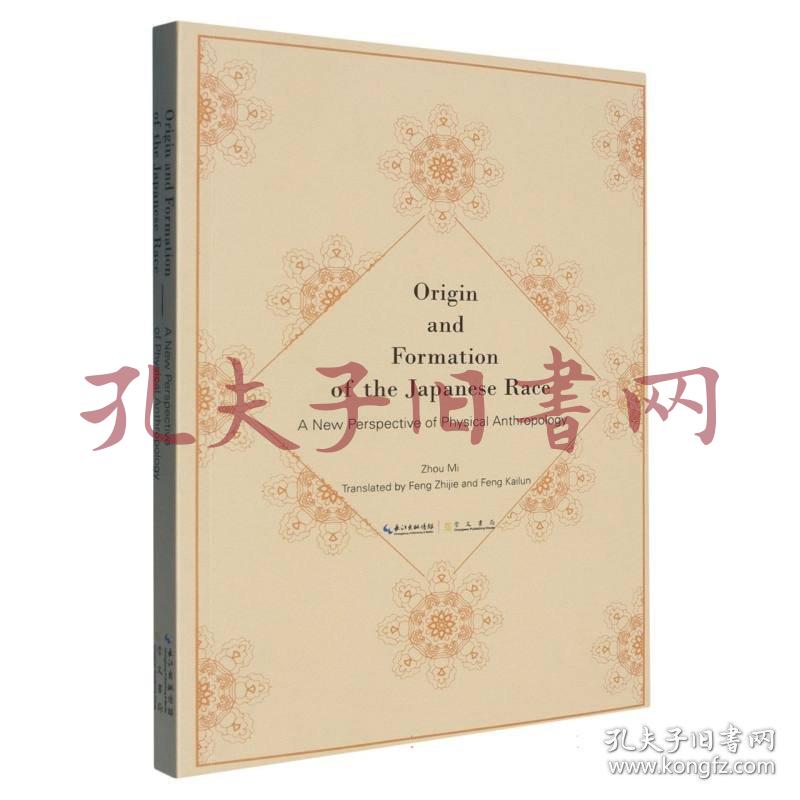
日本人的起源与形成
出版时间:
2023-12
ISBN:
9787540375768
-
Chapter I Introduction
1. The Natural Geography of Japan: A Survey
2. Retrospect of the Research of Japanese Race
2.1 The Composition of the Japanese Race
2.2 The Source of the Inhabitants in the Paleolithic Japanese Archipelago
2.3 The Source of the Inhabitants in Japanese Archipelago after the Paleolithic Age
3. Research Scope, Aims and Values of the Present Book
Chapter II Ethnological Study on Jomon People
1. The Cranial Specimen of the Jomon people: Its Ethnological Background and General Feature
1.1 The Jomon Era of Japan
1.2 The Craniometric Data in the Jomon Era
1.3 The General Features of the Inhabitants in the Jomon Era
2. The Analysis for the Phylad Type of Jomon Cranial Specimens
2.1 Cranial Comparison: the Jomon People vs. the Ancient Groups
2.1.1 An Outline of the Ancient Cranial Materials
2.1.2 Cranial Comparison of the Jomon People with the Ancient Groups by RMS Value Analysis and Euclidean Distance Analysis
2.1.3 Comparison by Multivariate Statistical Analysis
2.2 Comparison of Jomon People with the Modern Mongoloids in Different Regions
2.2.1 Comparison of the Variation Range
2.2.2 Comparison of the Morphological Affinity
2.3 Comparison of Crania: JPMG vs. the Modern Cranial Groups
2.3.1 Morphological Comparison
2.3.2 RMS Analysis
3. The Origin of the Jomon people — From a Perspective of Raciology
3.1 The Relationship Between Jomon people and the Ancient Inhabitants of the East Asian Continent
3.2 Relationship Between Jomon People and Minatogawa Man
3.2.1 The Paleolithic Age and Minatogawa Man in Japan
3.2.2 Morphological Comparison of JPMG and Minatogawa Group with the Different Ancient Cranial Group
Chapter III Ethnological Study on Yayoi People
1. The Cranial Specimen of Yayoi People: Its Ethnological Background and General Feature
1.1 The Yayoi Era of Japan
1.2 The Craniometric Data in the Yayoi Era
1.3 The General Features of the Yayoi Inhabitants
2. Analysis for the Phylad Type of Yayoi Cranial Specimens
2.1 Comparison Between Yayoi People and the Modern Mongoloids in the Different Regions
2.1.1 Comparison of Variation Range: the Yayoi People vs. the Modern Asian Mongoloids
2.1.2 The Morphological Affinity of the Yayoi People with the Modern Asian Mongoloid and Its Different Regional Types
2.2 The Cranial Comparison: the Yayoi People vs. the Modern Populations
2.2.1 The Morphological Comparison
2.2.2 RMS Value Analysis and Euclidean Distance Coefficient Analysis
2.2.3 The Clustering Analysis for YPMG and the Modern Cranial Groups
2.3 Comparison of the Crania: the Yayoi People vs. the Ancient Groups
2.3.1 An Outline of the Ancient Cranial Materials
2.3.2 RMS Value Analysis and Euclidean Distance Analysis
2.3.3 Multivariate Statistical Analysis
3. The Origin of the Yayoi People—From a Perspective of Raciology
3.1 Study of the Origin of the Yayoi People
3.2 The Relationship Between the Yayoi people and the Jomon People and the Related Ethnic Groups
Chapter IV Ethnological Study on Kofun People
1. The Cranial Specimen of Kofun People: Its Ethnological Background and General Feature
内容摘要
本书为中译英版。本书在广泛收集日本列岛各时期
及在时间与空间上与之相关的国家和地区古代居民人类学资料的基础上,将考古学、人类学与统计学研究方法相结合,系统探讨了日本列岛以大和民族为主体同时也
包括阿伊努人在内的人类群体的种族成分及其在体质特征上与东亚、东北亚及东南亚地区古代居民的亲缘关系,深入考察了日本列岛史前与历史时期各阶段古代居民的来源和去向等问题。从体质人类学角度出发对日本列岛绳文人的来源和去向,弥生人的来源,绳文人与弥生
人和古坟人之间的关系,绳文人、弥生人、古坟人与日本近现代居民之间的关系以及他们与亚洲大陆尤其是与中国东北、华北和东南沿海各地区古代居民之间关系等问题进行详细讨论。
-
目录:
Chapter I Introduction
1. The Natural Geography of Japan: A Survey
2. Retrospect of the Research of Japanese Race
2.1 The Composition of the Japanese Race
2.2 The Source of the Inhabitants in the Paleolithic Japanese Archipelago
2.3 The Source of the Inhabitants in Japanese Archipelago after the Paleolithic Age
3. Research Scope, Aims and Values of the Present Book
Chapter II Ethnological Study on Jomon People
1. The Cranial Specimen of the Jomon people: Its Ethnological Background and General Feature
1.1 The Jomon Era of Japan
1.2 The Craniometric Data in the Jomon Era
1.3 The General Features of the Inhabitants in the Jomon Era
2. The Analysis for the Phylad Type of Jomon Cranial Specimens
2.1 Cranial Comparison: the Jomon People vs. the Ancient Groups
2.1.1 An Outline of the Ancient Cranial Materials
2.1.2 Cranial Comparison of the Jomon People with the Ancient Groups by RMS Value Analysis and Euclidean Distance Analysis
2.1.3 Comparison by Multivariate Statistical Analysis
2.2 Comparison of Jomon People with the Modern Mongoloids in Different Regions
2.2.1 Comparison of the Variation Range
2.2.2 Comparison of the Morphological Affinity
2.3 Comparison of Crania: JPMG vs. the Modern Cranial Groups
2.3.1 Morphological Comparison
2.3.2 RMS Analysis
3. The Origin of the Jomon people — From a Perspective of Raciology
3.1 The Relationship Between Jomon people and the Ancient Inhabitants of the East Asian Continent
3.2 Relationship Between Jomon People and Minatogawa Man
3.2.1 The Paleolithic Age and Minatogawa Man in Japan
3.2.2 Morphological Comparison of JPMG and Minatogawa Group with the Different Ancient Cranial Group
Chapter III Ethnological Study on Yayoi People
1. The Cranial Specimen of Yayoi People: Its Ethnological Background and General Feature
1.1 The Yayoi Era of Japan
1.2 The Craniometric Data in the Yayoi Era
1.3 The General Features of the Yayoi Inhabitants
2. Analysis for the Phylad Type of Yayoi Cranial Specimens
2.1 Comparison Between Yayoi People and the Modern Mongoloids in the Different Regions
2.1.1 Comparison of Variation Range: the Yayoi People vs. the Modern Asian Mongoloids
2.1.2 The Morphological Affinity of the Yayoi People with the Modern Asian Mongoloid and Its Different Regional Types
2.2 The Cranial Comparison: the Yayoi People vs. the Modern Populations
2.2.1 The Morphological Comparison
2.2.2 RMS Value Analysis and Euclidean Distance Coefficient Analysis
2.2.3 The Clustering Analysis for YPMG and the Modern Cranial Groups
2.3 Comparison of the Crania: the Yayoi People vs. the Ancient Groups
2.3.1 An Outline of the Ancient Cranial Materials
2.3.2 RMS Value Analysis and Euclidean Distance Analysis
2.3.3 Multivariate Statistical Analysis
3. The Origin of the Yayoi People—From a Perspective of Raciology
3.1 Study of the Origin of the Yayoi People
3.2 The Relationship Between the Yayoi people and the Jomon People and the Related Ethnic Groups
Chapter IV Ethnological Study on Kofun People
1. The Cranial Specimen of Kofun People: Its Ethnological Background and General Feature
内容摘要
本书为中译英版。本书在广泛收集日本列岛各时期
及在时间与空间上与之相关的国家和地区古代居民人类学资料的基础上,将考古学、人类学与统计学研究方法相结合,系统探讨了日本列岛以大和民族为主体同时也
包括阿伊努人在内的人类群体的种族成分及其在体质特征上与东亚、东北亚及东南亚地区古代居民的亲缘关系,深入考察了日本列岛史前与历史时期各阶段古代居民的来源和去向等问题。从体质人类学角度出发对日本列岛绳文人的来源和去向,弥生人的来源,绳文人与弥生
人和古坟人之间的关系,绳文人、弥生人、古坟人与日本近现代居民之间的关系以及他们与亚洲大陆尤其是与中国东北、华北和东南沿海各地区古代居民之间关系等问题进行详细讨论。
查看详情
-
 3
3
八五品
湖北省武汉市
平均发货14小时
成功完成率87.28%
-
全新
北京市房山区
平均发货14小时
成功完成率86.75%
-
九五品
河北省保定市
平均发货21小时
成功完成率87.09%
-
全新
北京市东城区
平均发货21小时
成功完成率88.78%
-
全新
四川省成都市
平均发货21小时
成功完成率90.15%
-
全新
北京市房山区
平均发货11小时
成功完成率95.33%
-
全新
北京市东城区
平均发货15小时
成功完成率94.03%
-
全新
北京市东城区
平均发货15小时
成功完成率93.5%
-
日本人的起源与形成
①全新正版,现货速发,7天无理由退换货②可开电子发票,不清楚的请咨询客服。
全新
江苏省无锡市
平均发货10小时
成功完成率95.4%
-
全新
北京市东城区
平均发货15小时
成功完成率95.28%
-
全新
北京市东城区
平均发货16小时
成功完成率93.89%
-
全新
河南省新乡市
24小时内发货
成功完成率93.79%
-
全新
北京市海淀区
平均发货10小时
成功完成率96.51%
-
全新
北京市大兴区
平均发货13小时
成功完成率94.76%
-
全新
河北省保定市
平均发货19小时
成功完成率48.65%

 占位居中
占位居中